Shape · Lawns and edging

Lawns and edging in Cambridge.

Lawns and edging in Cambridge take a little planning, because our summers are dry and the soil can change from chalk to clay across a single garden.

We lay new turf, reshape tired lawns and fit edging that keeps a clean line between grass, borders and paths, so the lawn is easier to mow and holds its shape.

Rated 4.9 out of 5 from 132 sample reviews

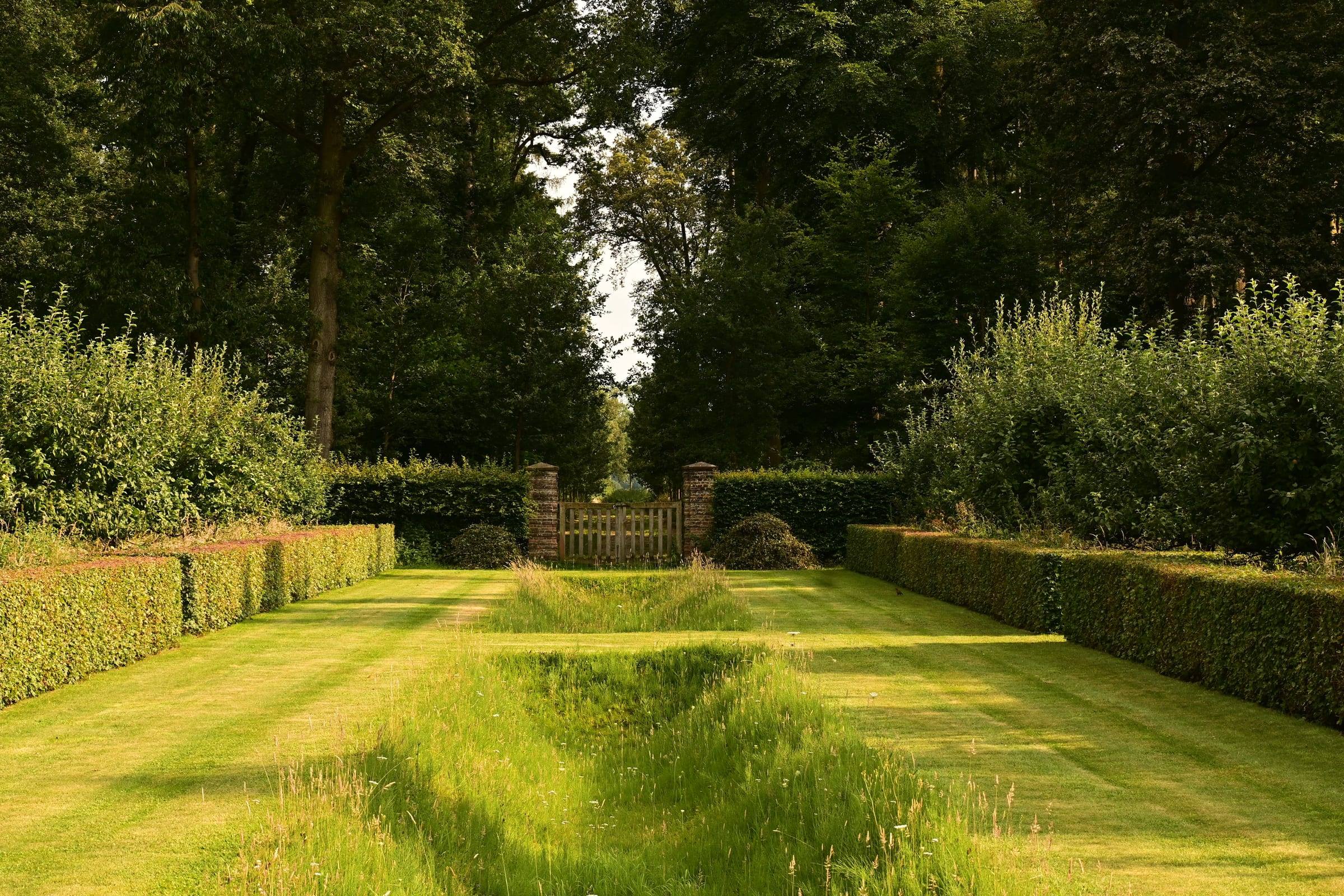
Striped lawn between clipped hedges leading to a garden gate, an example of lawns and edging for Cambridge gardens

What it covers

Lawns and edging, done properly.

  • New lawns from turf, laid on properly prepared ground
  • Reshaping lawns into simpler curves that are easier to mow
  • Steel, timber, brick or stone edging
  • Mowing strips beside walls, fences and borders
  • Repairing worn, bare or patchy areas

When you might need it

  • The lawn is uneven, patchy or full of moss
  • Edges crumble into the border every summer
  • Mowing means awkward corners and a lot of hand trimming
  • A new patio or border has changed the shape of the garden
Ask about lawns and edging
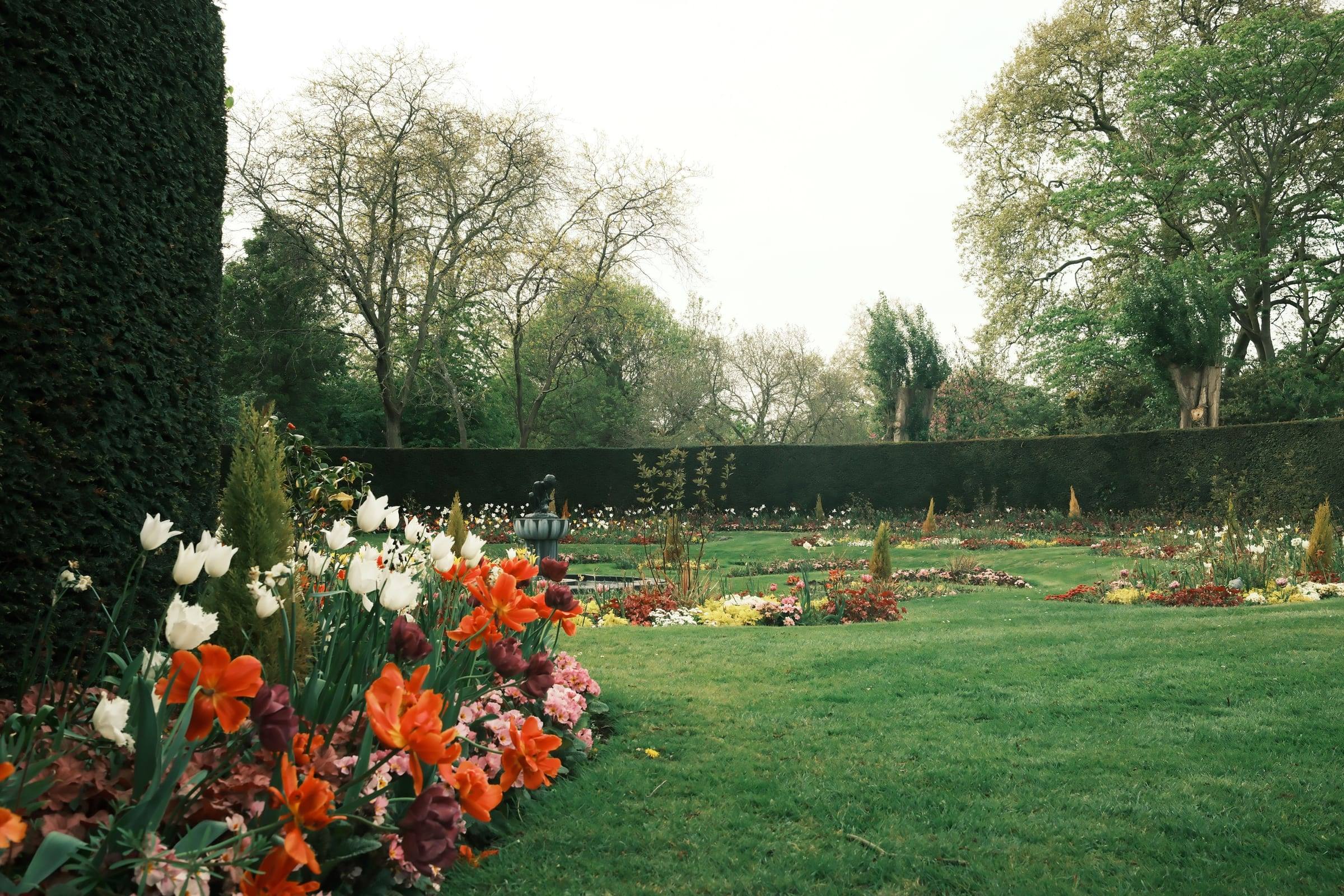
Even, healthy lawn meeting a spring border of tulips beside a yew hedge

Ground preparation comes first

Good turf on poor ground struggles. We lift the old lawn, dig out stones and roots, improve the soil where it needs it, then level, firm and rake the surface before any turf goes down.

On heavy clay that means helping drainage. On thin chalky soil it means adding organic matter so the new roots have something to hold moisture.
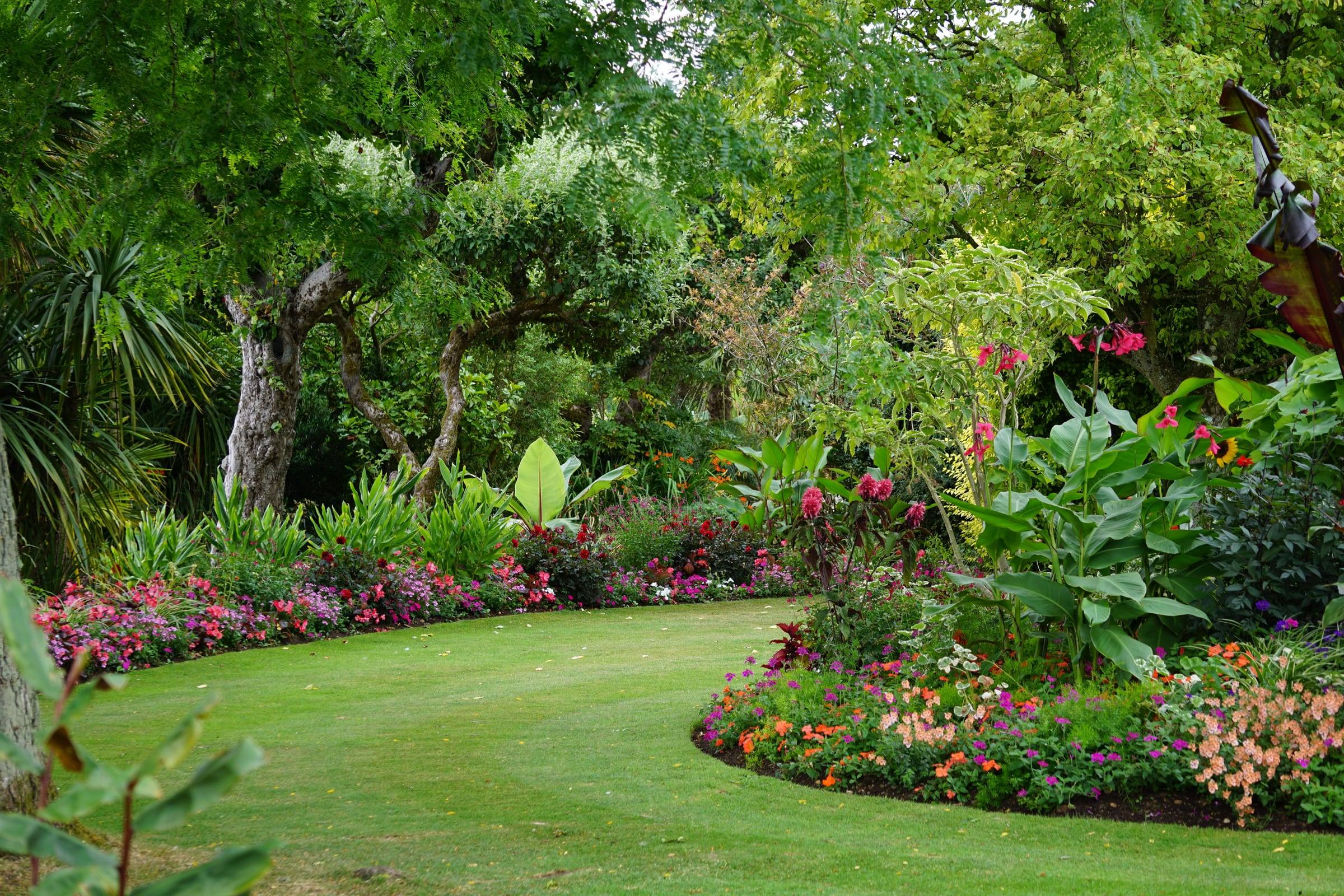

Lawn with clean, curving edges against deep flowering borders

Edging that keeps its line

Steel edging gives a crisp curve that almost disappears. Timber suits a more relaxed garden. A brick or stone mowing strip lets the mower run right to the edge, so there is far less trimming by hand.

We set edging slightly below the grass so it is safe to walk on and easy to mow over.

Lawn being mowed with a push mower in low evening sun

A new lawn in a dry county

As a general guide, autumn and early spring are the easiest times to lay turf here, because rain and mild soil help the roots take. New turf needs regular watering until it has rooted.

Established lawns often brown in a long dry summer. Mowing a little higher and holding off the feed during drought helps, and grass usually recovers once the rain returns.

How it works

Four clear steps.

What happens from the first visit to the finished garden.

  1. Look at the ground

    We check levels, drainage, soil and shade before suggesting turf or a new shape.

  2. Mark out the shape

    Curves and edges are marked on site with you, so you can see them before anything is cut.

  3. Prepare and lay

    Clearing, cultivating, levelling and firming, then laying turf and fitting the edging.

  4. Aftercare notes

    Written guidance on watering and the first few mows while the lawn settles in.

Questions

Common questions about lawns and edging

When is the best time to lay turf in Cambridge?

Autumn and early spring are usually easiest, because the soil is warm or moist enough for roots to take. Turf can go down in summer too, but it needs watering every day or two in dry weather until it roots.

Should I choose turf or seed?

Turf gives you a usable lawn within weeks and is easier to get right on a small garden. Seed costs less and suits larger areas or shady mixes, but it takes longer to establish and needs protecting from birds and feet.

Which edging lasts longest?

Steel edging and brick or stone mowing strips are the most durable. Timber is cheaper and looks informal, but it will need replacing in time. We suggest what suits the style of the garden.

Why does my lawn go brown every summer?

East Anglia is one of the drier parts of the UK, so lawns often brown in long dry spells. It is usually dormancy rather than damage, and the grass greens up again after rain.

Ready to talk about your garden?

Tell us a little about the space and what you would like from lawns and edging.

This is a demo website

Patchwork Gardens is a fictional business, so there is no phone number to call. The enquiry form shows how a real enquiry would work, and nothing you type into it is sent anywhere.