Shape · Patios and paths

Patios and paths in Cambridge.

Patios and paths in Cambridge gardens need to suit the way you actually use the space: where the evening sun falls, where you walk with the bins and where the table goes.

We plan the layout with you, prepare a proper base, lay the paving and plant the edges so it sits in the garden rather than on top of it.

Rated 4.9 out of 5 from 132 sample reviews

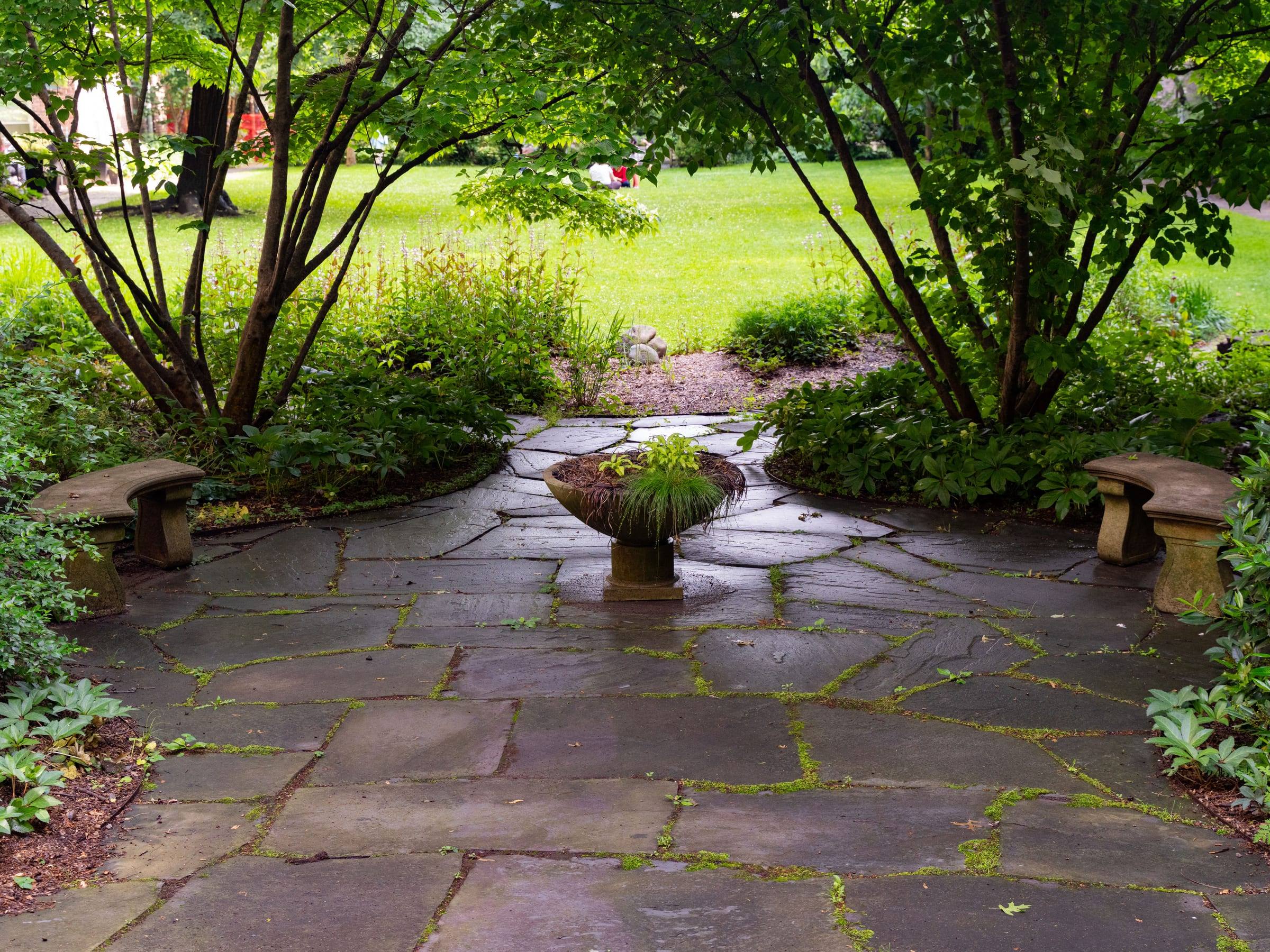
Flagstone patio with stone benches and a planted centrepiece, an example of patios and paths for Cambridge gardens

What it covers

Patios and paths, done properly.

  • New patios in natural stone, porcelain or brick
  • Paths and stepping stones between the house, shed and lawn
  • Steps and small changes of level
  • Relaying tired, sunken or uneven paving
  • Planted edges, so hard surfaces sit softly in the garden

When you might need it

  • There is nowhere comfortable to sit in the sun
  • Paths are uneven, slippery or in the wrong place
  • An old patio has sunk, cracked or never drained well
  • You are planning new planting and want the layout settled first
Ask about patios and paths
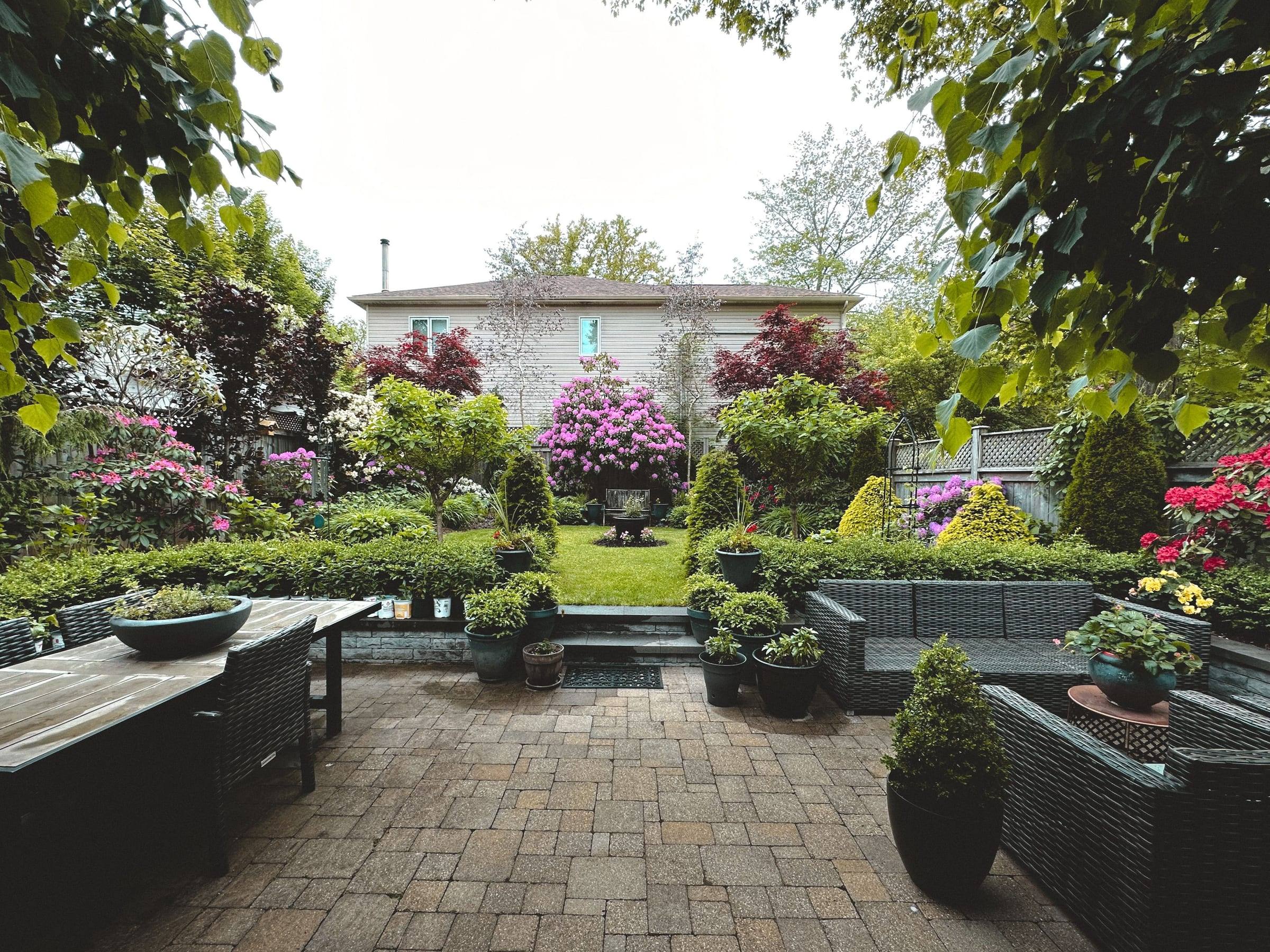
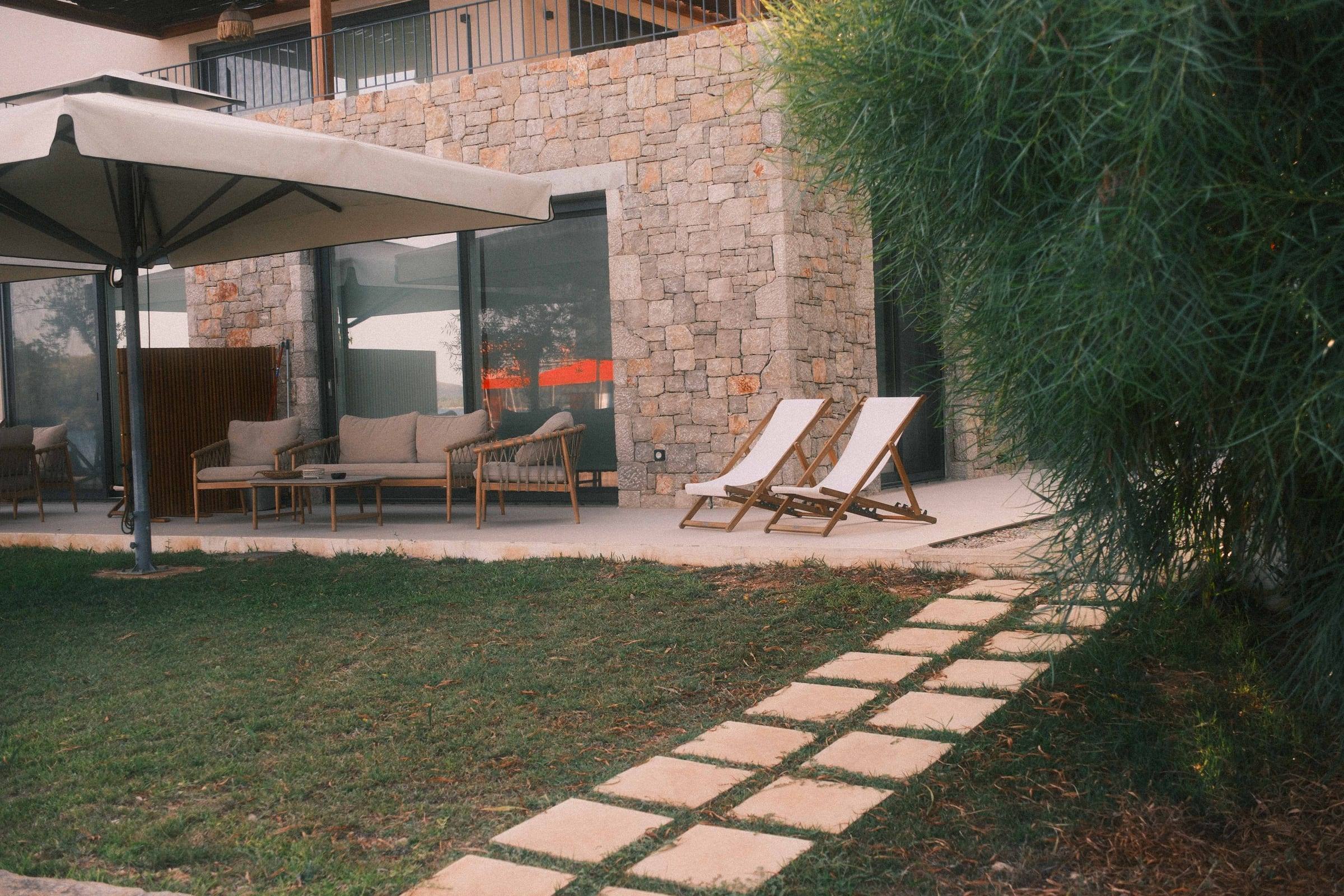
Stone patio with a parasol and seating, and a stepping-stone path across the lawn

Planned around how you use the garden

A patio works when it is in the right place and the right size. We look at where the sun is at the times you are outside, how many people usually sit down, and the routes you take every day.

Paths follow those routes, so they get used rather than cut across. Furniture is measured before the size is fixed, with room to pull chairs out.
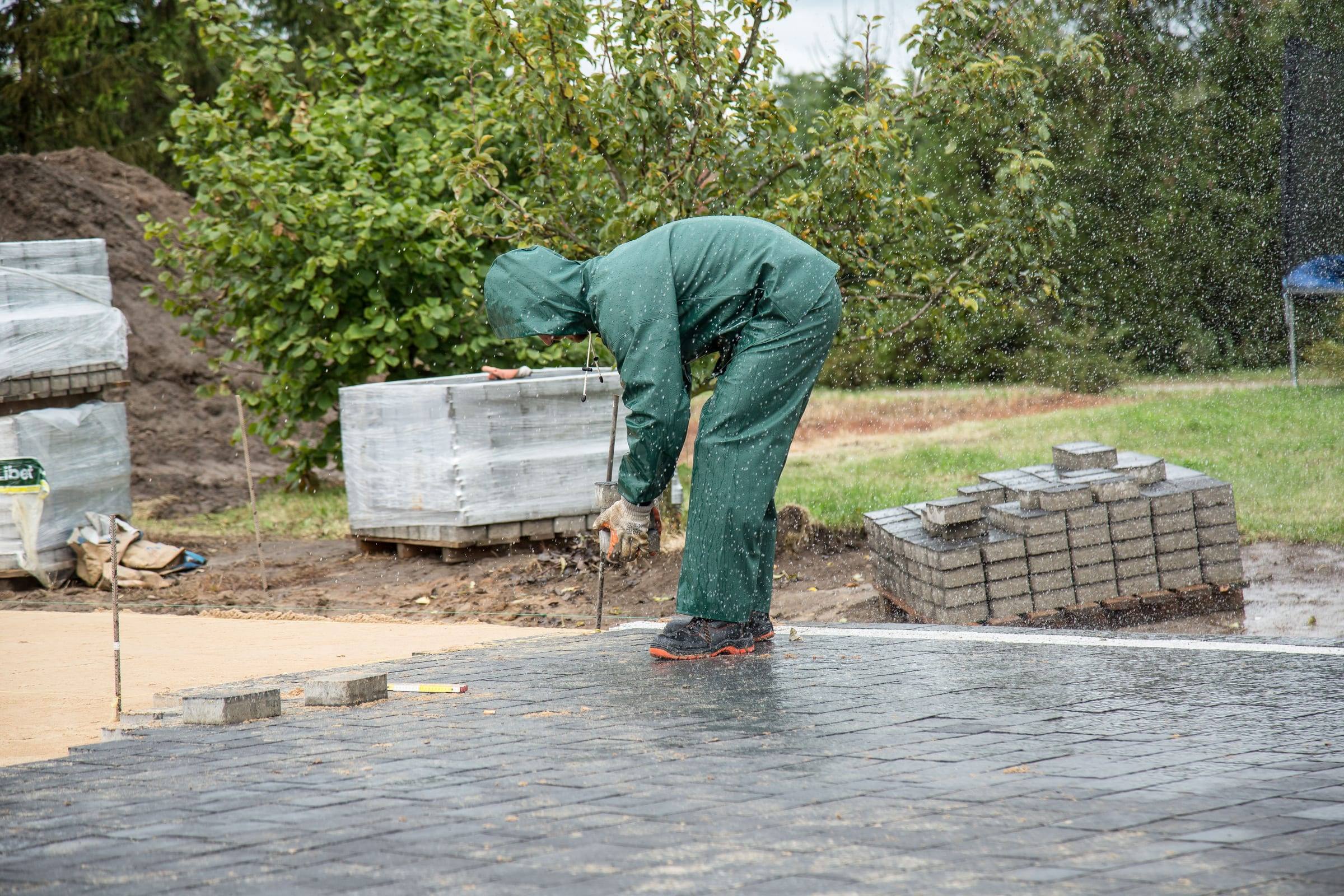
Paving being laid on a prepared base, with pallets of blocks on site

A base that suits the ground

Most problems with paving start underneath. We dig out to firm ground, build up a compacted sub-base in layers and set gentle falls so water runs away from the house.

Soils around Cambridge range from chalk to heavy clay, sometimes within a few streets, so the depth and make-up of the base is decided on site rather than from a standard sheet.

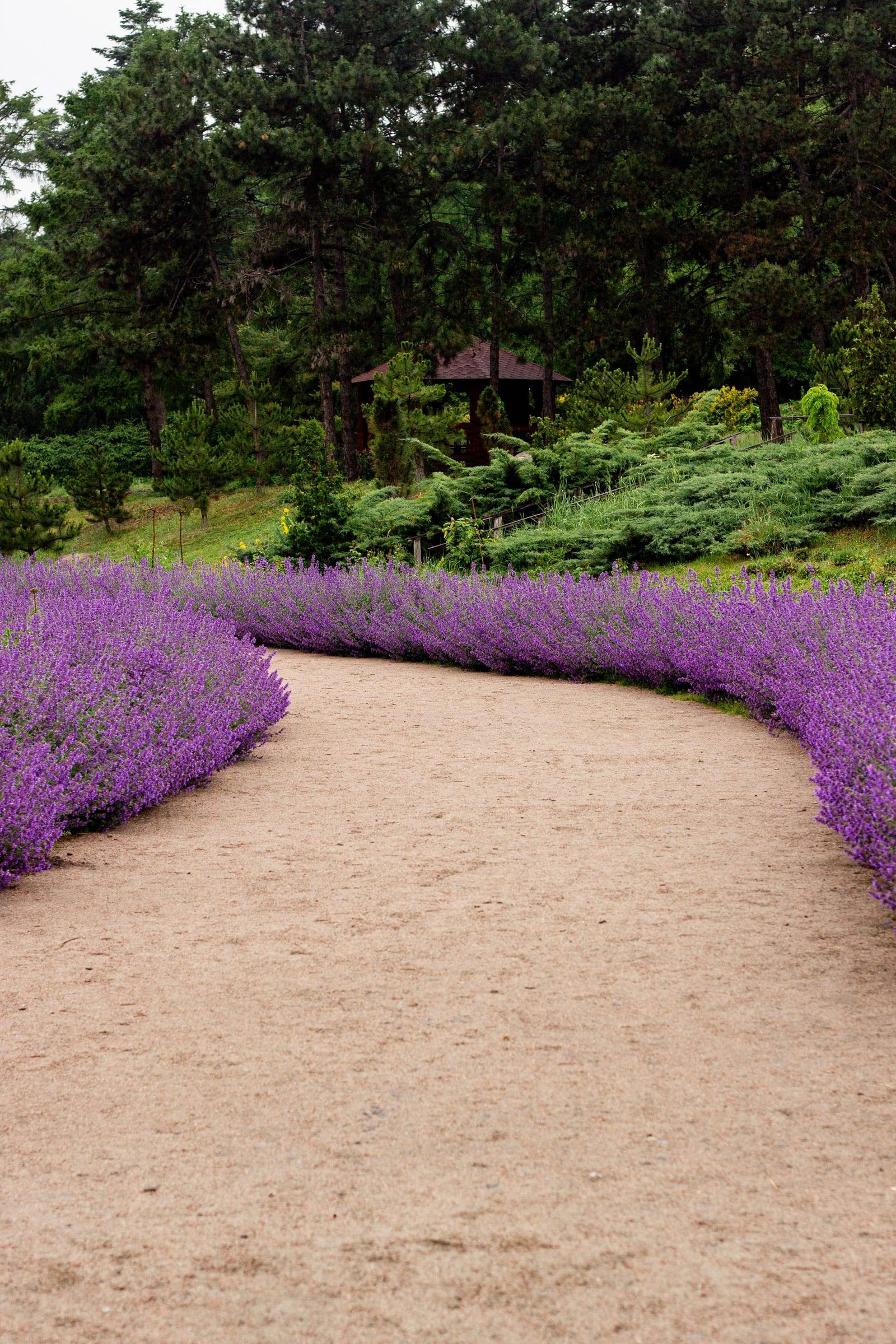
Curving gravel path edged with lavender running through a garden

Materials and drainage

Natural stone, porcelain, brick and gravel each look and wear differently. We bring samples to the visit so you can see them in your own light and talk through cost and upkeep.

Worth knowing for front gardens: in England, covering more than five square metres with a surface that water cannot drain through usually needs planning permission, unless the water runs to a lawn or border. Gravel or permeable paving avoids the issue.

How it works

Four clear steps.

What happens from the first visit to the finished garden.

  1. Visit

    We walk the garden with you, measure up and talk about how you want to use it.

  2. Plan and quote

    A simple layout drawing, material options and a written quote for the work.

  3. Build

    Digging out, sub-base, laying and pointing, with the site left tidy at the end of each day.

  4. Finish

    Edges planted, surfaces cleaned and notes on looking after the paving.

Questions

Common questions about patios and paths

Which paving works best in a Cambridge garden?

There is no single answer. Porcelain is hard wearing and easy to clean but can look stark in a cottage garden. Sandstone softens as it weathers. Brick suits Victorian terraces and older houses. We bring samples so you can compare them in your own garden.

Do I need planning permission for a new patio?

Usually not for a back garden patio laid at ground level. In a front garden, covering more than five square metres with a surface water cannot drain through normally needs permission. Raised decks and terraces can also need it, so check with your local planning authority if you are unsure.

How long does a patio take to lay?

It depends on the size, the access and the material. The quote includes an estimated timescale, and we keep you updated if weather holds the work up.

Can you work with the patio I already have?

Often, yes. If the base is sound we can relay loose slabs, repoint or extend it. If it has sunk or holds water, relaying on a new base is usually the better long term choice.

Ready to talk about your garden?

Tell us a little about the space and what you would like from patios and paths.

This is a demo website

Patchwork Gardens is a fictional business, so there is no phone number to call. The enquiry form shows how a real enquiry would work, and nothing you type into it is sent anywhere.