Plant · Planting and borders

Planting and borders in Cambridge.

Planting and borders in Cambridge gardens do best when they suit the conditions: the light, the soil and our dry summers.

We design new borders, replant tired ones and plant in layers, so there is something happening for more of the year and less bare soil for weeds.

Rated 4.9 out of 5 from 132 sample reviews

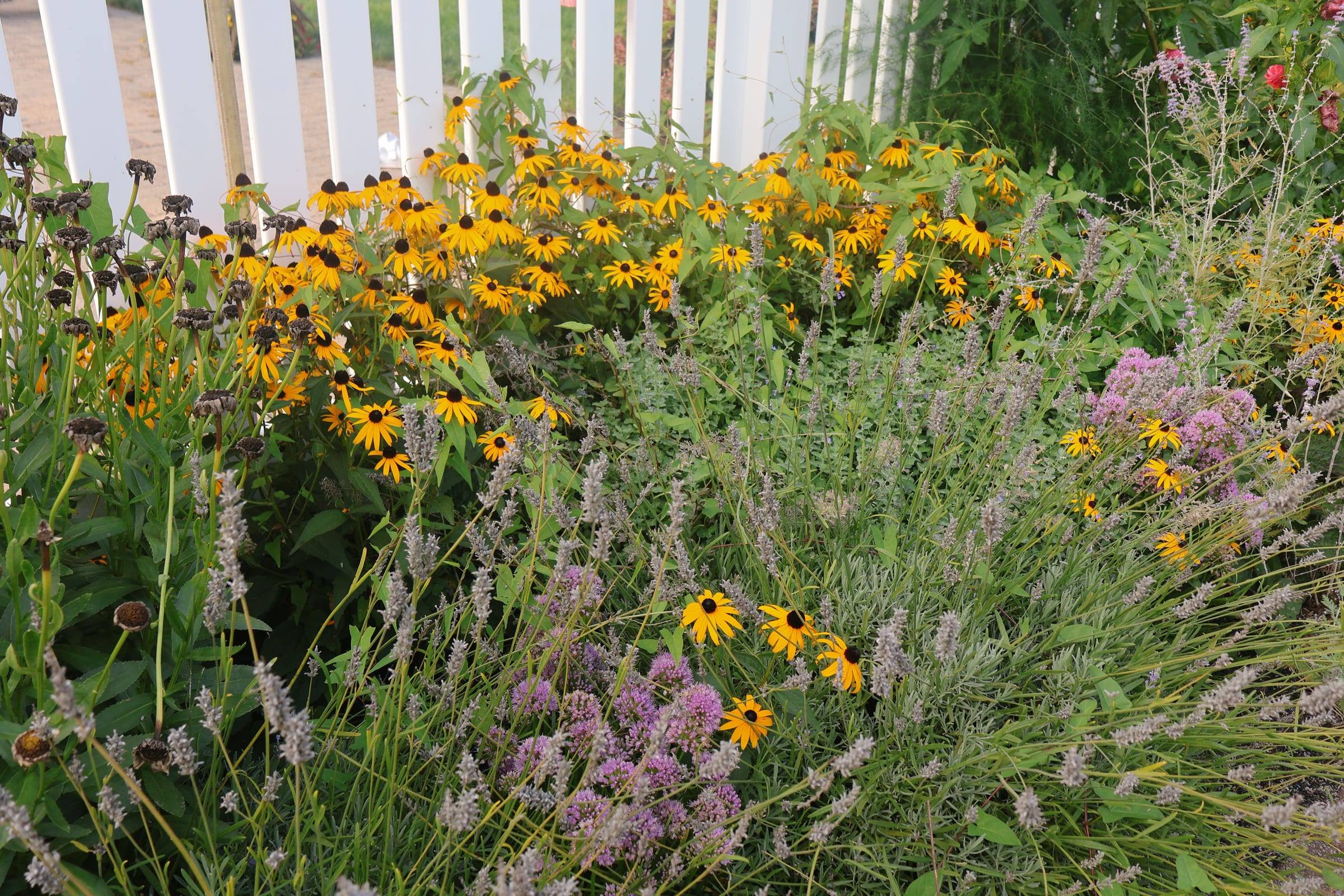
Summer border of rudbeckia, lavender and alliums against a white fence, an example of planting and borders for Cambridge gardens

What it covers

Planting and borders, done properly.

  • New borders, planned and planted
  • Reworking or replanting tired borders
  • Layered planting of shrubs, perennials, grasses and bulbs
  • Planting for hot, dry spots and for shade
  • Soil preparation and mulching

When you might need it

  • Borders look thin, or look the same all year
  • Plants keep struggling in the same spot
  • A new patio or lawn needs planting to soften it
  • You would like more for bees and other wildlife
Ask about planting and borders
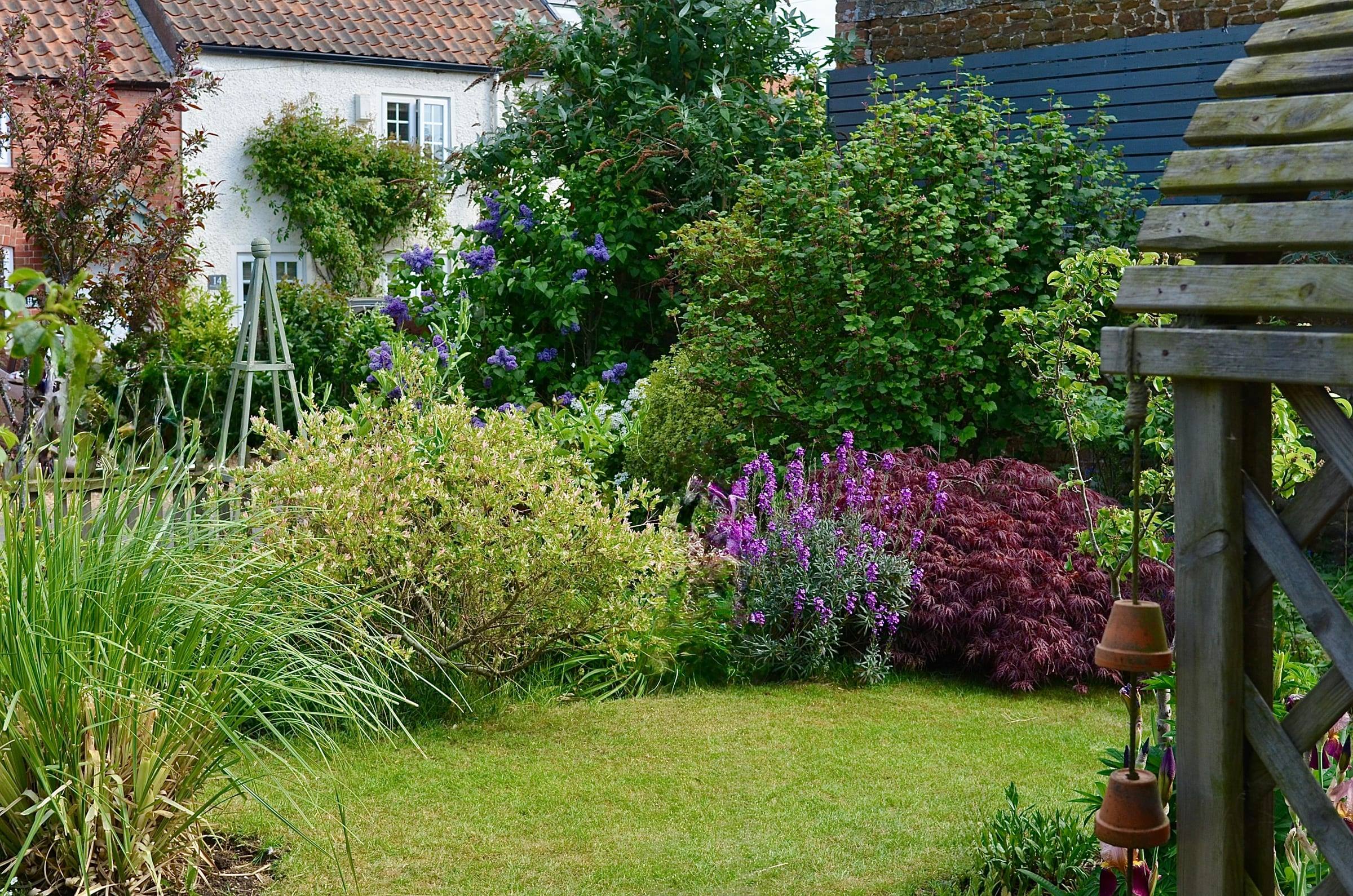
Mixed border with shrubs, perennials and a lawn in front of a house

Planting that suits the conditions

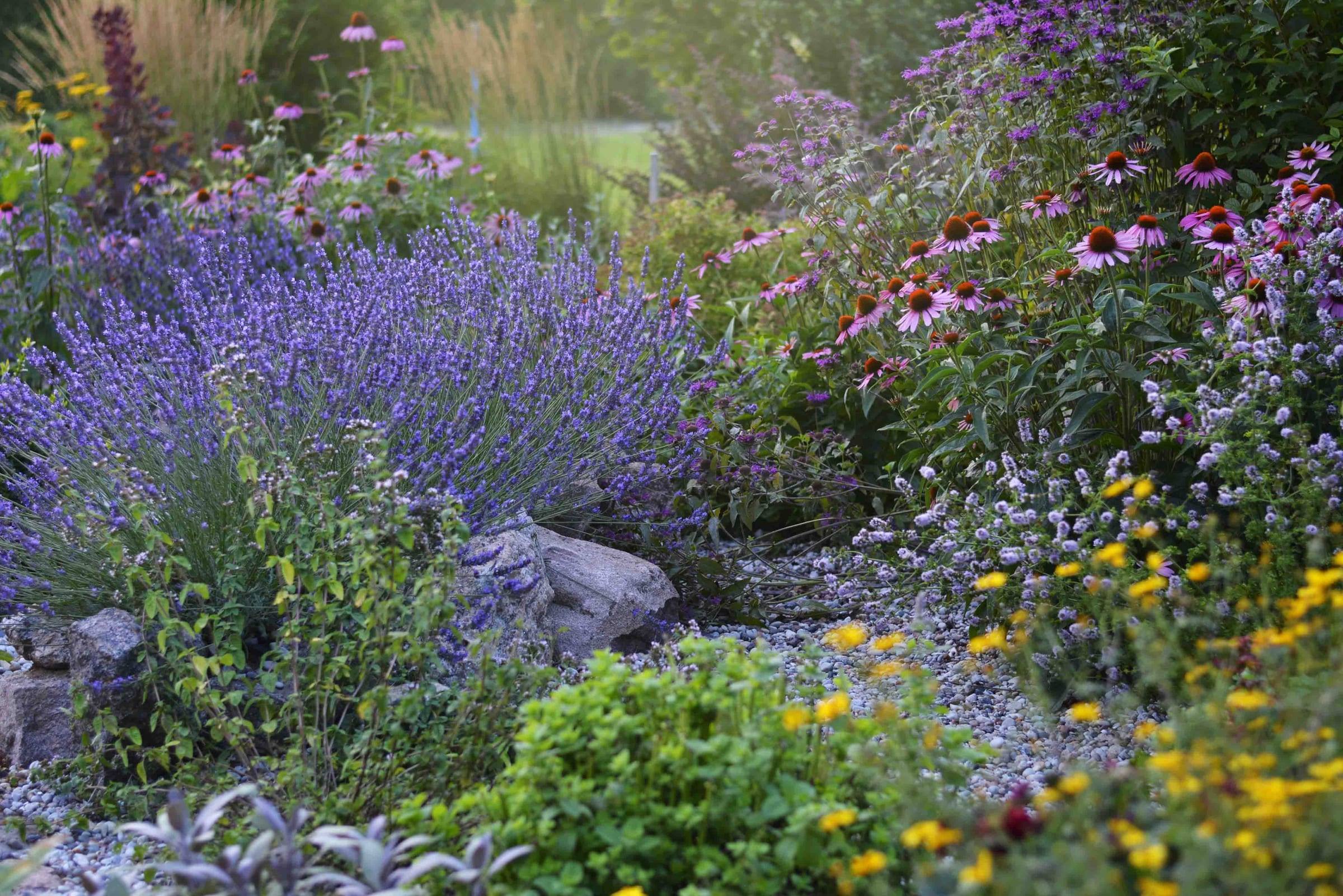
As a general guide, East Anglia gets less rain than most of the country, so plants that cope with dry summers do well here: lavender, salvias, sedums, ornamental grasses, echinacea and alliums.

Soils vary a lot around Cambridge. Many Mediterranean plants are happy on chalk, while tougher perennials such as hardy geraniums and asters settle well into clay once it is improved. We check the soil before choosing anything.
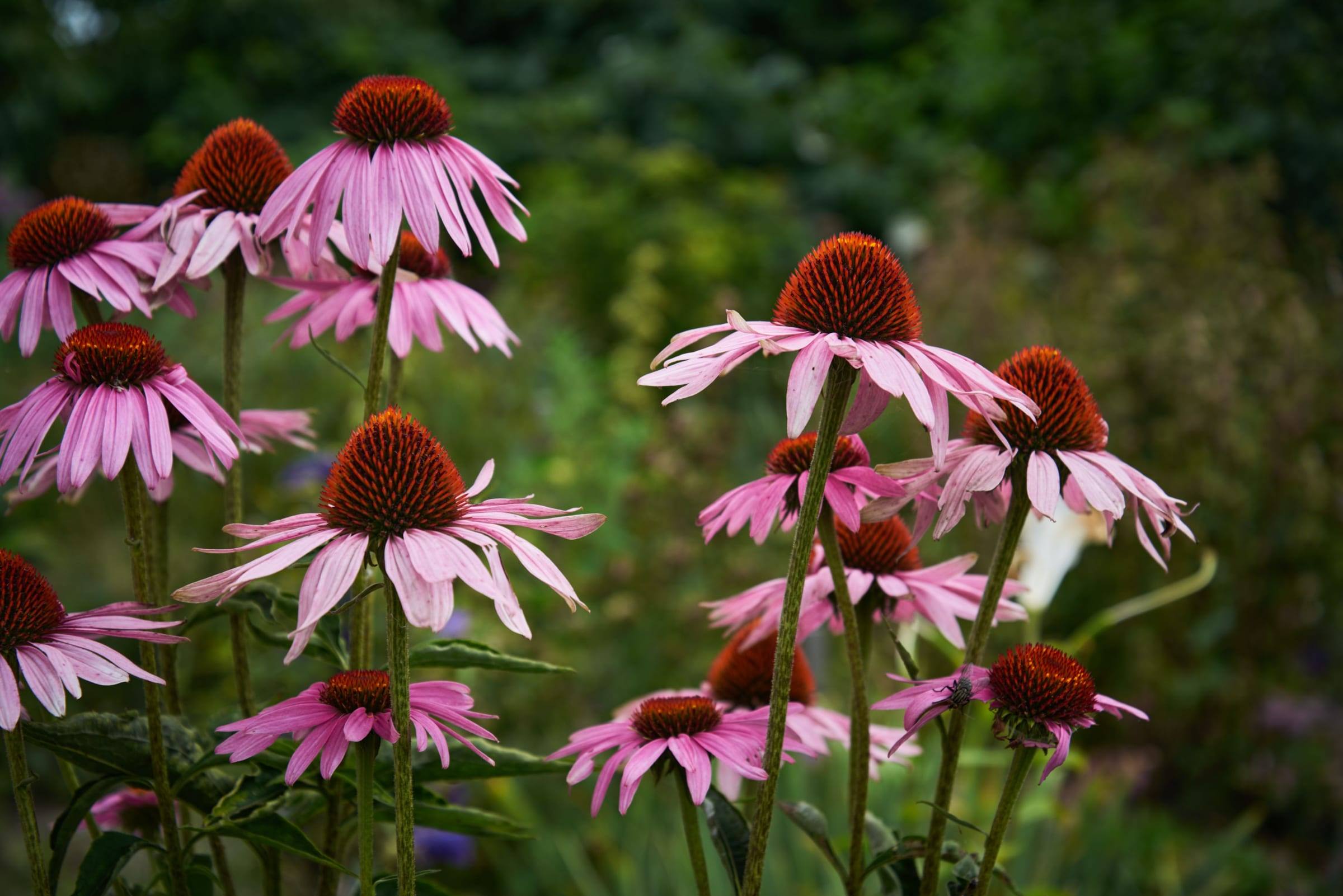

Pink echinacea flowering in a sunny border

Layers, so it fills out

A border that looks full for longer is planted in layers: a few shrubs or small trees for structure, perennials and grasses through the middle, bulbs for spring and ground cover at the front.

Each plant is spaced for its eventual size, not its size in the pot. It can look open for the first season, then fills in.

Gloved hands planting young plants into prepared, dark soil

Planting day and the first year

We clear weeds, improve the soil with compost, plant at the right depth, water everything in and finish with a mulch to hold moisture and keep weeds down.

The first summer matters most. You get simple watering notes, and we can look after the border on garden care visits if you would like.

How it works

Four clear steps.

What happens from the first visit to the finished garden.

  1. Look and listen

    Light, soil and drainage, plus the colours and plants you like and the ones you do not.

  2. Planting plan

    A layout and plant list showing what goes where and roughly when each part flowers.

  3. Prepare and plant

    Weeding, soil improvement, planting, watering in and mulching.

  4. First year

    Watering guidance for the first summer and optional care visits as it establishes.

Questions

Common questions about planting and borders

What grows well in Cambridge gardens?

As a general guide, plants that cope with dry summers: lavender, rosemary, salvias, sedums, ornamental grasses, echinacea and alliums. Chalky soil suits many Mediterranean plants. On heavy clay, tough perennials such as hardy geraniums establish well once the soil has been improved.

When is the best time to plant a border?

Autumn suits most shrubs, trees and perennials, because the soil is still warm and winter rain helps roots settle. Spring planting works too, with more watering through the first summer. Spring bulbs go in during autumn.

Do you supply the plants?

Yes. We source the plants on the planting plan, and can work with plants you already have, moving or dividing them where it makes sense.

How much looking after will new planting need?

Regular watering in the first summer is the main job. After that a well planned border needs weeding, cutting back and occasional dividing, which can be part of regular garden care visits.

Ready to talk about your garden?

Tell us a little about the space and what you would like from planting and borders.

This is a demo website

Patchwork Gardens is a fictional business, so there is no phone number to call. The enquiry form shows how a real enquiry would work, and nothing you type into it is sent anywhere.